Want To Learn
SEO
Join our VIP List to find out about the next launch of The SEO School LIVE

Doors To The SEO School LIVE are now closed.
Click here to join our VIP list to find out about the next launch, and to receive weekly SEO tips.

Search intent relates to the ‘why’ of a search query.
What motivated a person to enter a particular phrase into Google? What do they want to achieve? What’s the purpose behind their search? There’s always a reason why a person types a specific term into a search engine, and it’s known as ‘search intent’.
Google’s only aim is to serve up the most relevant and helpful answers to every searcher’s query. Everything that the search engine giant does is geared toward meeting its users’ needs and expectations, which means that digital marketers need to follow Google’s lead in terms of prioritising search intent.
This post provides an overview of search intent and gives you practical tips on how to optimise your web pages to maximise opportunities for your business. You may also want to read my post on why search intent is so important for SEO for another perspective on this important topic.
Search intent can be categorised into four main types, namely:
This is when a searcher is looking for general information on a topic. Informational searches generally cover broad topics and are usually made by people who are in the very early stages of an investigation.
Even though these types of queries are usually fairly wide-ranging (often containing modifiers such as ‘how’, ‘guide’, ‘tips’, ‘what’, ‘when’ etc), they do offer business opportunities to create awareness around their offering.
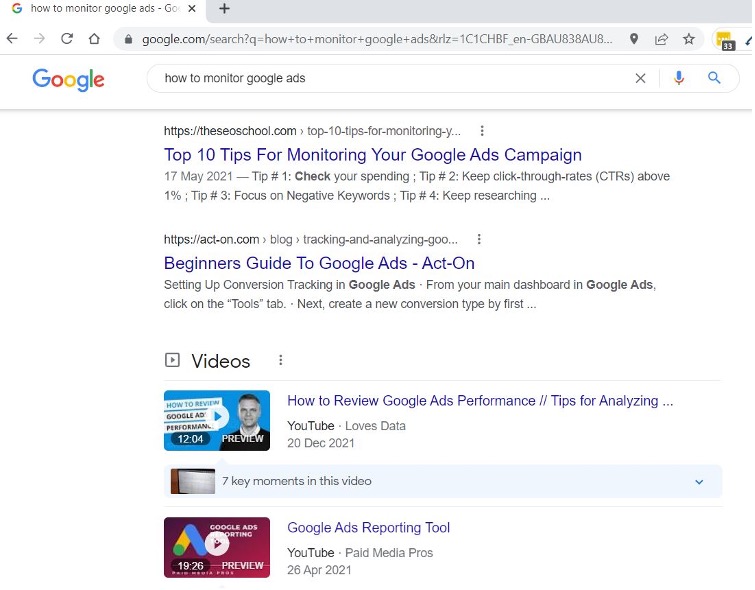
TIP: Create or optimise high-quality content that has an educational slant (eg ‘how-to’ guides, ‘top tips’, ‘FAQs’ etc). These will showcase you or your business as an industry expert and build trust and authority among your target audience and in Google’s eyes too.
A person looking to buy something will enter keywords with a commercial search intent. Examples of these types of queries often include modifiers such as ‘best’, ‘top’, ‘vs’ and ‘review’ and they’re usually motivated by a consumer wanting more detail about comparative products or services and getting information that will inform their buying decision.
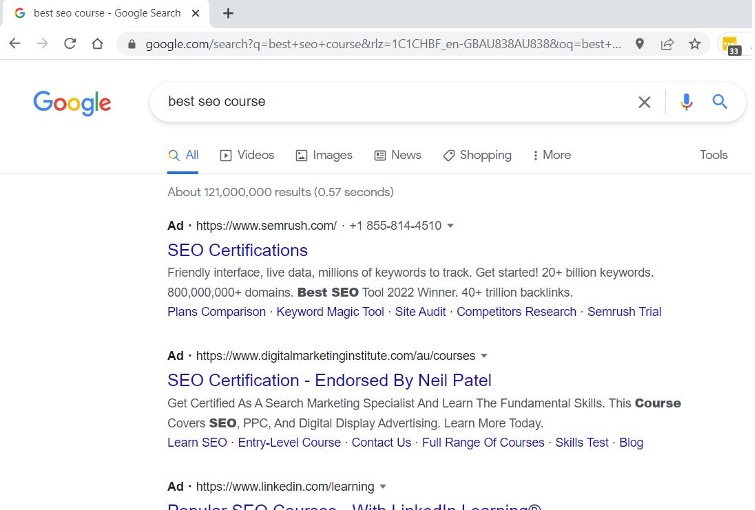
TIP: You should target commercial search intent keywords in your blogs, product pages, FAQs etc. Look for opportunities to put your brand in front of a motivated consumer who is looking for a reason to choose a particular offering over another.
This type of search query will come from a user who is in the starting blocks and ready to buy. They know what they want and the keywords they enter into Google reflect their intention to convert. They need to find your brand through searches that include modifiers such as ‘buy’, ‘order’ and ‘cheap’. These are the best keywords to include in your SEO as you really want someone to find your website at the exact point they are ready to buy!
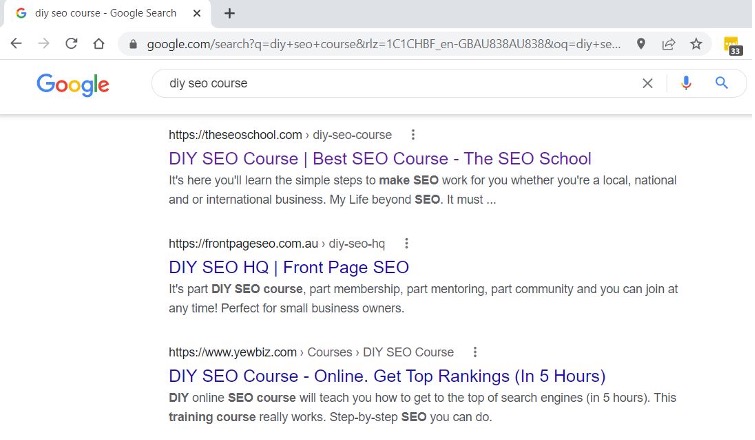
TIP: Make sure you use transactional language throughout your website (eg fill in a form, share this post etc) as well as including transactional keywords on your product landing pages and other key pages.
A person looking for specific information on a business such as its website, address, hours of operation, product, phone number etc will use keywords with a navigational search intent. These users could be anywhere along the sales journey but it’s super important that people can find your business whenever they are searching for it by name.

TIP: These types of queries almost always drive action, so you need to make sure your website is optimised properly so that your business comes up when there’s a relevant navigational search. Businesses should maintain up-to-date business listings such as Google Business Profile to give them the best chance of being included in Google’s answer boxes and local packs.
Search intent keywords can mean different things to different people. That’s why search intent in relation to your keyword research is so crucial.
The more you know and understand about what your target audience actually wants, the greater your ability to align your content with their search intent. You need to ensure your content will answer their questions, provide useful information, help them with their decision-making process and establish trust in your business.
In doing so, you’ll meet your audience’s need and you’ll appease Google too which will go a long way in boosting your chances of long-term rankings success – and business success too.
Comprehensive keyword research together with an understanding of search intent is the foundation for great SEO. New to SEO? Then download our Free SEO Starter Kit to get you started.
If you’d like to learn more about the ins and outs of this crucial aspect of SEO, have a look at The SEO School. This hands-on DIY online course is led by a highly experienced SEO specialist and takes you on a practical journey covering all the elements of SEO including keyword research and search intent that are necessary to get your brand to the top of Google’s rankings.

Karen Dauncey has been working in SEO since 2003. She specialises in helping businesses get found online through Google using Search Engine Optimisation (SEO) She is the founder and creator of The SEO School an online SEO Course to help teach business owners how to do their own SEO. She regularly delivers educational programs for both Local, State and Federal Government and is an advisor for the ASBAS Digital Solutions Program. Karen’s passion and commitment to help small business owners get found online is the driving force behind her online school, making SEO advice accessible to all with free resources and online courses.
Karen's wealth of SEO knowledge and practical digital marketing experience comes from running her own SEO and Google Ads agency, Blue Cherry Online Marketing since 2008. Karen has optimised over 1000 websites, managed millions of dollars' worth of spend on Google Ads and has a solid understanding of the constantly shifting industry of digital marketing and SEO. This gives her a unique advantage when it comes to being able to recommend the right online marketing strategies for your business. This gives her a unique advantage when it comes to being able to recommend the right online marketing strategies for your business. She was recently recognised as an SEO Expert for the popular course creation platform, Kajabi as well as appearing on ABC Radio
for her expert opinion on the ACCC's investigation into search engines.
Karen has attended search engine conferences in London, Stockholm, Adelaide and Sydney, and was also invited to attend a pilot Business Coaching Course at Google’s Head Office. She has a Diploma in Marketing from the Chartered Institute of Marketing in the UK.
She is also the co-owner of the Digital Experts Directory, an online directory for female serviced-based businesses to promote their business (with a great backlink for SEO).
To keep up to date with the latest in SEO, join her Facebook group The SEO School Community or follow her on Facebook or LinkedIn.
FREE Community
Are you frustrated customers can’t find your website?
Join my FREE online community for SEO tips!
seo Freebies
Are you the best kept secret on the internet?
It’s time to change all that with my DIY SEO freebies!
The SEO Course
Do you have a website that’s not performing? Learn SEO and put your website to work!
Karen Dauncey has been working in SEO since 2003. She specialises in helping businesses get found online through Google using Search Engine Optimisation (SEO) She is the founder and creator of The SEO School an online SEO Course to help teach business owners how to do their own SEO. She regularly delivers educational programs for both Local, State and Federal Government and is an advisor for the ASBAS Digital Solutions Program. Karen’s passion and commitment to help small business owners get found online is the driving force behind her online school, making SEO advice accessible to all with free resources and online courses.
Karen's wealth of SEO knowledge and practical digital marketing experience comes from running her own SEO and Google Ads agency, Blue Cherry Online Marketing since 2008. Karen has optimised over 1000 websites, managed millions of dollars' worth of spend on Google Ads and has a solid understanding of the constantly shifting industry of digital marketing and SEO. This gives her a unique advantage when it comes to being able to recommend the right online marketing strategies for your business. This gives her a unique advantage when it comes to being able to recommend the right online marketing strategies for your business. She was recently recognised as an SEO Expert for the popular course creation platform, Kajabi as well as appearing on ABC Radio
for her expert opinion on the ACCC's investigation into search engines.
Karen has attended search engine conferences in London, Stockholm, Adelaide and Sydney, and was also invited to attend a pilot Business Coaching Course at Google’s Head Office. She has a Diploma in Marketing from the Chartered Institute of Marketing in the UK.
She is also the co-owner of the Digital Experts Directory, an online directory for female serviced-based businesses to promote their business (with a great backlink for SEO).
To keep up to date with the latest in SEO, join her Facebook group The SEO School Community or follow her on Facebook or LinkedIn.


We talk about how technology and digital communications have literally put the whole world at our fingertips, but the reality is that we still love local. And that’s why we have to love local when it comes to SEO. Why does local SEO matter? Local SEO is important because the days of relying on a Yellow Pages

AI is on everyone’s lips. All the talk is about what AI can do and what it is going to be able to do. Some people even have it taking over the whole world, sending humans into a life of servitude to machines and computer systems. Should we fear the future? If you’re a content creator, here’s some good news. This


It’s no secret that SEO requires a multi-pronged approach in order to be effective. Some elements are simple and easy to implement while others require more technical expertise, but each one plays a role in great SEO. This article covers one of the most important elements of SEO…backlinks. Backlinks are links to
Then join my Facebook community…

If you’re looking for a supportive online group that share the same mission – to get found online – then this community is for you!
From SEO updates and tips to Ask Me Anything Fridays, this is your space to pick-my-brains.





